



Before You Trust AI With Your SEO, Read This First
AI tools like ChatGPT are everywhere right now. Business owners use them to write emails, create social posts, and even check their websites for SEO problems.
AI can be a huge time-saver, but it is not perfect. In fact, there are several mistakes ChatGPT could make in an SEO evaluation, and if you don’t know what to watch for, it can lead you in the wrong direction.
This guide walks you through the top issues, why they matter, and what you should rely on instead. Knowing these limitations helps you use AI wisely, without letting it shape your SEO strategy in ways that hurt your visibility or limit your growth.
With the right understanding, you can take advantage of AI’s strengths without letting its blind spots derail your marketing efforts.

1. Inventing Data It Can’t Access
The biggest of all mistakes ChatGPT could make in an SEO evaluation is creating information that isn’t real; it’s called hallucinations.
ChatGPT cannot crawl your website. It can’t see your analytics, check your rankings, or review your Core Web Vitals. But if your prompt is vague, it may “guess” the data and present it as fact.
This leads to advice that sounds confident, but isn’t based on anything true. When that happens, you may end up fixing problems that were never there or overlooking issues that actually matter.
It creates a false sense of accuracy, which can push your SEO strategy in the wrong direction before you even get started.
2. Using Outdated SEO Rules
SEO changes fast, and strategies that worked years ago don’t always hold up today. ChatGPT sometimes leans on old ideas like keyword density, stuffing exact-match phrases, or worrying about meta keyword tags. These methods no longer help and can even hurt your ranking.
They can also make your content feel forced or unnatural, which turns readers away. Because search engines now prioritize helpful, human-centred content, relying on outdated tactics can set your site back instead of moving it forward.

3. Misreading Search Intent
Even when AI can read your content, it cannot see real user behaviour. It doesn’t know:
• Why someone clicks a result
• What they expect to find
• What Google is rewarding right now
If your page doesn’t match search intent, it will not rank, even if the writing is strong. And that misunderstanding is one of the mistakes ChatGPT could make in an SEO evaluation that affects real business results.
Misjudging intent can also lead you to invest time in content updates that never improve your visibility.
4. Missing Problems With Site Structure
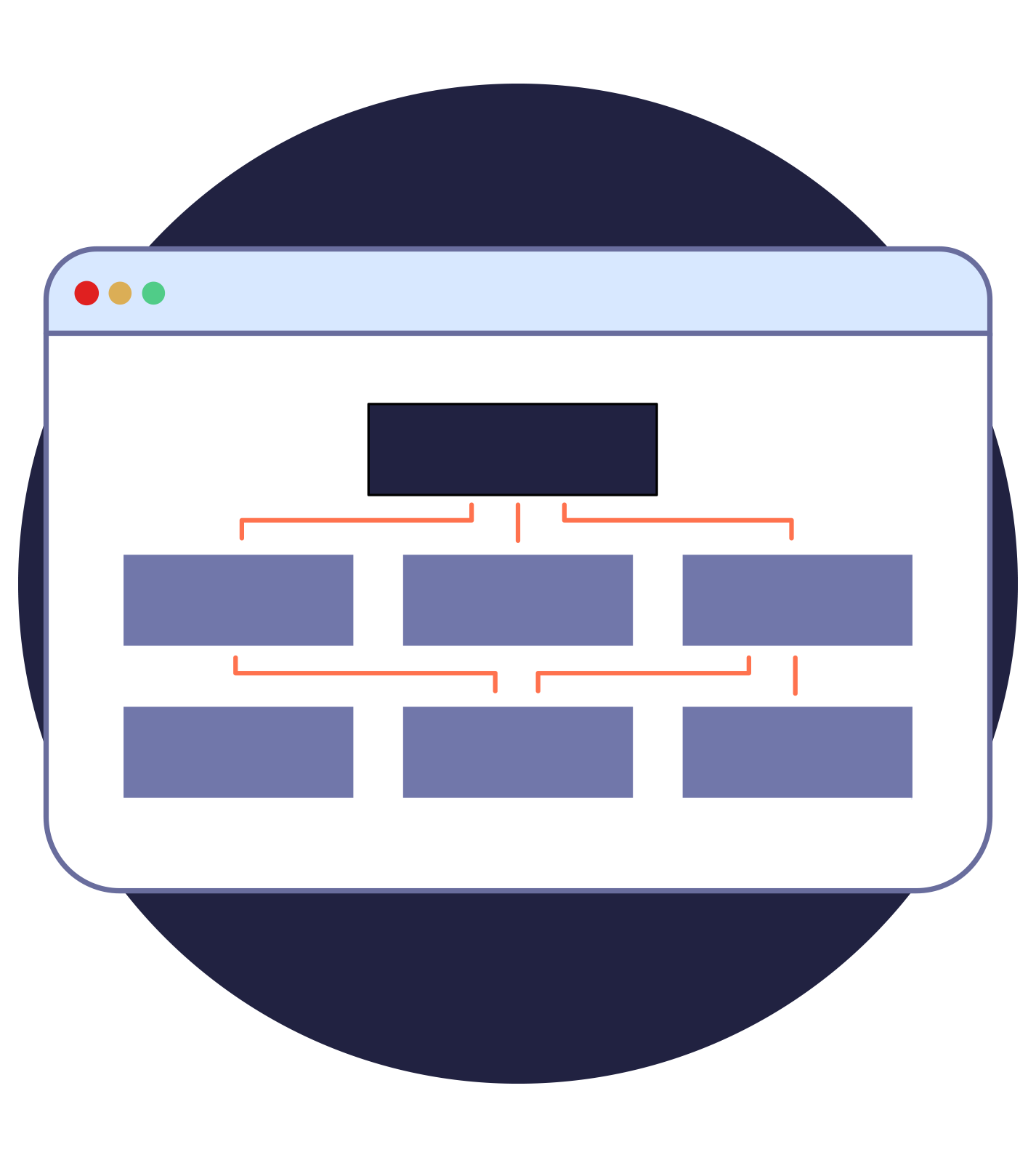
Internal linking, orphan pages, topic clusters, and navigation matter more than ever. ChatGPT tends to review content one page at a time, which means it often overlooks how your pages support each other and guide visitors through your site. It misses the bigger picture of how your site works as a system.
This can lead to content that looks fine on its own but fails to perform because it isn’t connected to anything else.
Strong site structure sends clear signals to search engines, and without it, even your best pages can struggle to gain visibility.
5. Mixing Up Brand Copy and SEO Copy
Strong brand storytelling does not equal strong SEO. You might have great messaging, a strong voice, and clean writing, but Google still needs keywords, clarity, and structure to understand what the page is about. When those elements are missing, search engines struggle to identify your topic and match your page to the right queries.
That means your content may resonate with readers but still fail to rank. Blending brand voice with SEO best practices takes balance, intention, and a clear understanding of how search engines interpret content.

6. Giving Generic, One-Size-Fits-All Advice
ChatGPT is excellent at lists and checklists, but SEO is not one-size-fits-all. Your business model, competitors, location, and audience all shape your strategy.
If AI doesn’t understand that context, the advice is too generic to be useful. It often suggests broad tasks that sound helpful but don’t move your business closer to real results.
This is one of the mistakes ChatGPT could make in an SEO evaluation that wastes time and distracts you from what truly matters.
7. Missing Technical SEO Errors
ChatGPT cannot detect:
- Crawl issues
- Canonical mistakes
- Duplicate content
- Noindex tags
- Schema errors
Unless you paste code directly into it, AI cannot see technical problems. When these issues go unnoticed, they can prevent search engines from indexing your pages correctly and stop your site from ranking no matter how strong your content is.

8. Ignoring the Competitive Landscape
SEO is a competition. You don’t have to be perfect, but you do have to be better than the businesses ranking above you. ChatGPT has no view of who your competitors are or what’s happening in the search results.
It also can’t evaluate how aggressive or well-established those competitors may be with their SEO, which plays a major role in shaping your strategy.
This blind spot is one of the mistakes ChatGPT could make in an SEO evaluation, because it removes the real-world context your strategy needs.

9. Suggesting Keywords Without Real Data
ChatGPT can guess keywords, but it cannot see:
• Search volume
• Keyword difficulty
• Click-through rates
• Competitive strength
That makes keyword suggestions feel useful but often inaccurate. You might spend time creating content for phrases that no one is actually searching for or that are far too competitive to rank for.

10. Writing AI-Flavoured Copy Instead of Human Copy
Search engines now reward content that shows real experience and genuine expertise. AI tends to overuse keywords, remove personality, and produce copy that feels generic.
When that happens, your content may technically “fit the rules” but fail to connect with real people. Readers can sense when something feels flat or manufactured, and that weakens trust.
ChatGPT can make your content sound robotic instead of trustworthy. High-quality SEO writing still needs a human voice, real stories, and insights that only you can provide.
Why Real SEO Success Requires Experienced Professionals
AI is powerful, but it is still a tool. Think of it like a wrench.
A professional plumber and a DIY homeowner both have access to the exact same wrench.
But what they can do with that wrench is completely different.
The tool is the same.
The results are not.
SEO works the same way.
An agency with experienced SEO professionals knows how to:
- Interpret real data
- Spot hidden issues
- Use AI wisely
- Build strategies that drive measurable results
ChatGPT can support the process, but it cannot replace real expertise.

Human-Led SEO Wins Every Time
AI tools are helpful, but you need more than automated suggestions to grow your website traffic. By understanding the mistakes ChatGPT could make in an SEO evaluation, you can avoid costly missteps and make better choices for your business.
If you want SEO that drives real results, you need a team that combines smart strategy, human experience, and the right AI tools. Let’s talk about your goals and what it will take to get you there
Let’s Talk SEO Strategy

We are proud to partner with:



Pull up a chair and have a virtual coffee with Jonathan!
Follow up on a current project, talk about a new digital marketing idea, or just get some good ole’ fashioned business advice.