



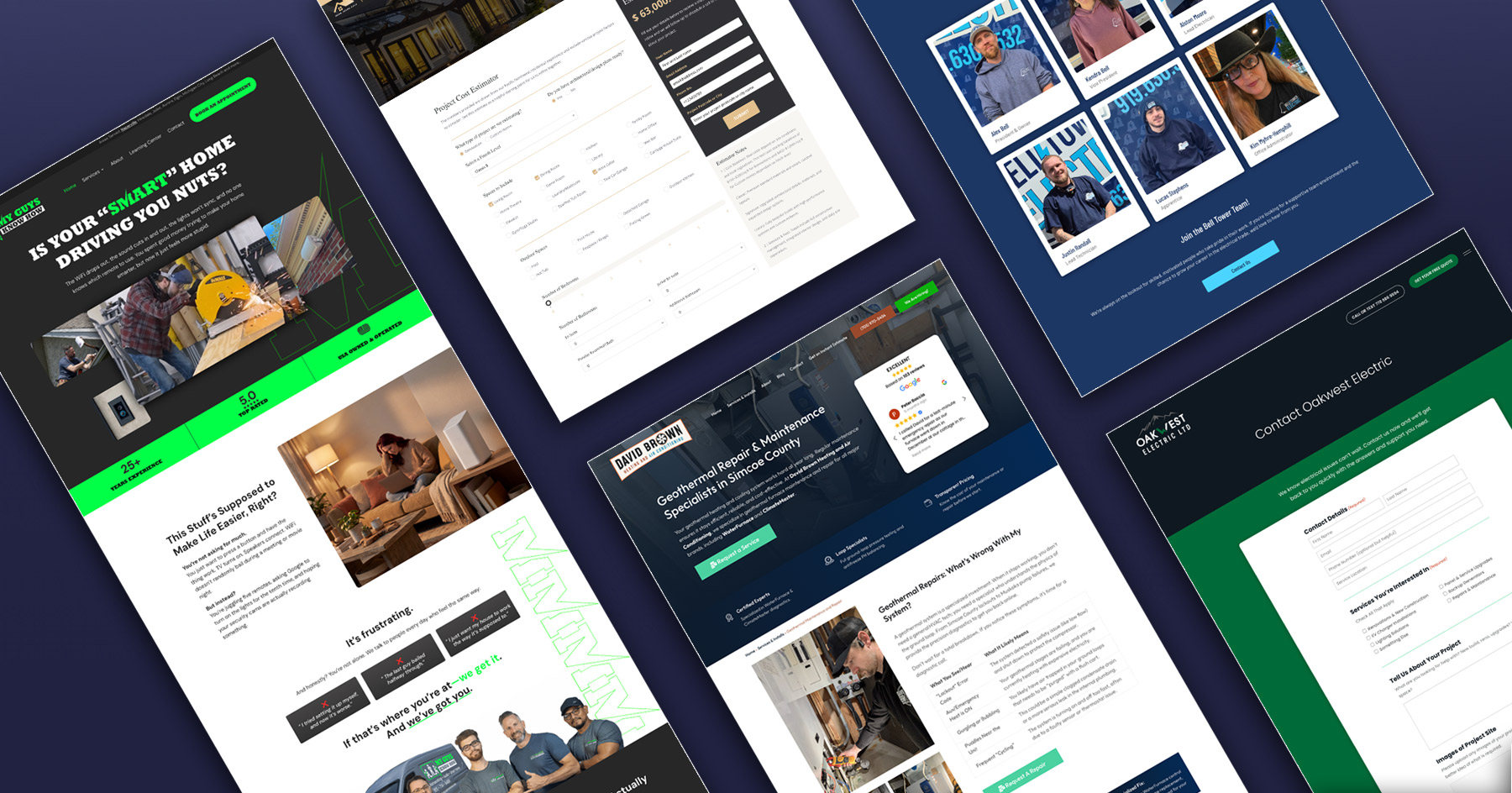
Do You Know the Website Pages Every Service Business Needs?
A lot of small business websites look professional at first glance, but they still fail to generate consistent leads.
The problem usually isn’t the design.
It’s the structure.
Many business owners try to fit too much information onto a website without thinking about how customers actually search for services online.
Today’s buyers want quick answers. They want clarity. They want to know whether your business can help them before they ever pick up the phone or fill out a form.
That’s why understanding the website pages every service business needs matters more than ever.
Customers now use Google, AI search tools, reviews, social media, and comparison websites to research businesses before reaching out. If your website doesn’t answer their questions quickly, they often move on to someone else.
The good news is that most service businesses don’t need giant websites with dozens of pages.
They simply need the right pages, especially the website pages every service business needs to help customers feel confident taking the next step.
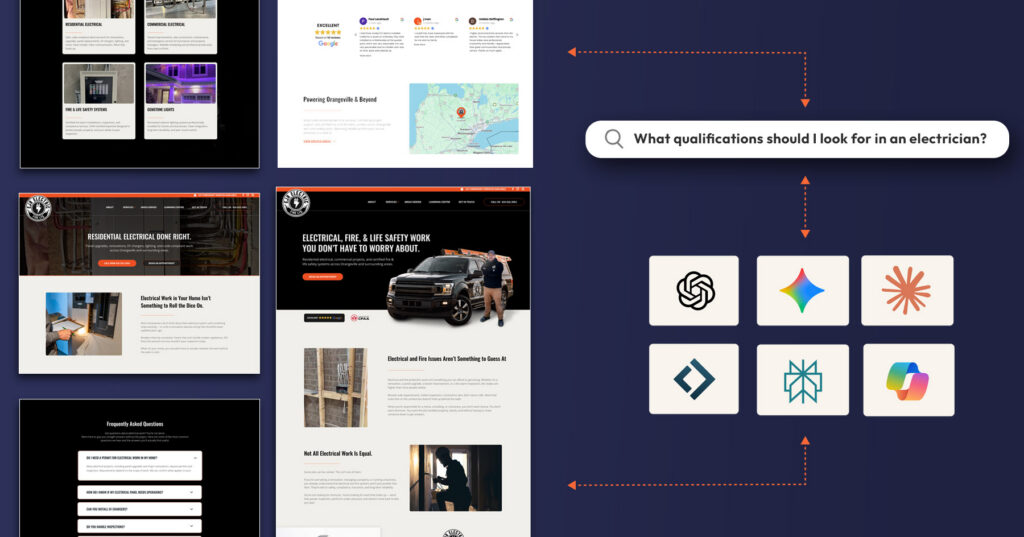
Why Website Structure Matters for Service Businesses
Your website should help visitors quickly understand:
- what you do
- who you help
- why they should trust you
- what your services might cost
- and how to contact you
When those answers are difficult to find, visitors leave.
This is especially important because people now search differently than they did a few years ago.
Instead of typing short phrases into Google, many people ask full questions like:
- How much should a new air conditioner for my home cost?
- What qualifications should I look for in an electrician?
- How long does it take to renovate a kitchen?
AI search tools are also changing how people discover businesses online. The clearer your website content is, the easier it becomes for search engines and AI platforms to understand your services.
That’s one reason the website pages every service business needs have become so important for small businesses trying to compete online.
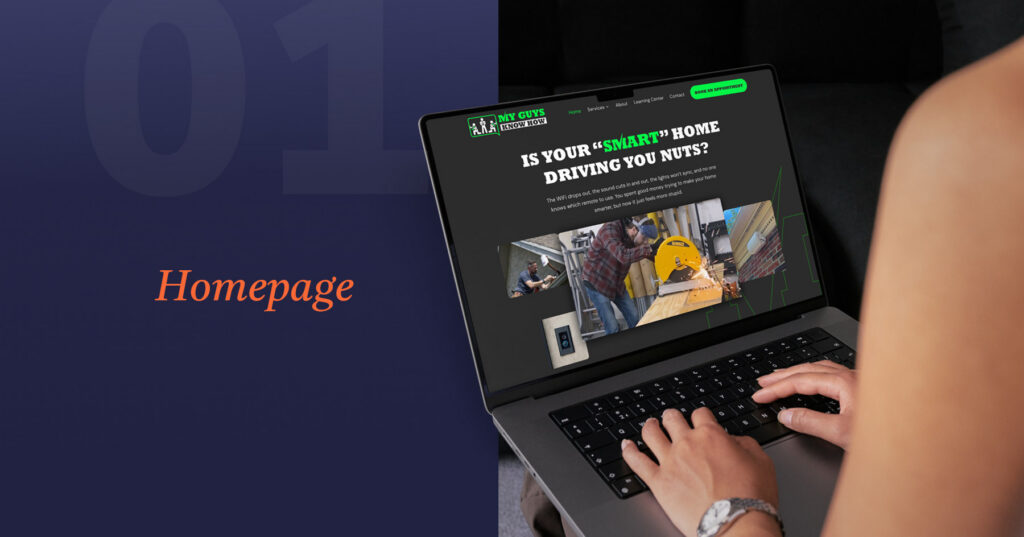
1. Homepage, One of the Website Pages Every Service Business Needs
Your homepage is often the first interaction someone has with your business.
Within just a few seconds, visitors are trying to answer several questions:
- What does this company do?
- Can they help me?
- Do they seem trustworthy?
- What should I do next?
Unfortunately, many homepages focus too much on sounding clever instead of being clear.
A vague slogan might sound impressive internally, but customers usually care more about understanding what problem you solve.
A strong homepage should include:
- a clear headline
- a short explanation of your services
- trust signals
- simple navigation
- and a clear call to action
The best homepages focus on the customer first, not the business owner.
That means avoiding long paragraphs about your company history right at the top of the page. Visitors want to know how you can help them solve a problem.
Business owners often ask:
- What should be on a service business homepage?
- How do I improve my small business homepage?
In most cases, the answer is clarity.
The website pages every service business needs should work together to reduce confusion and help customers feel confident moving forward.
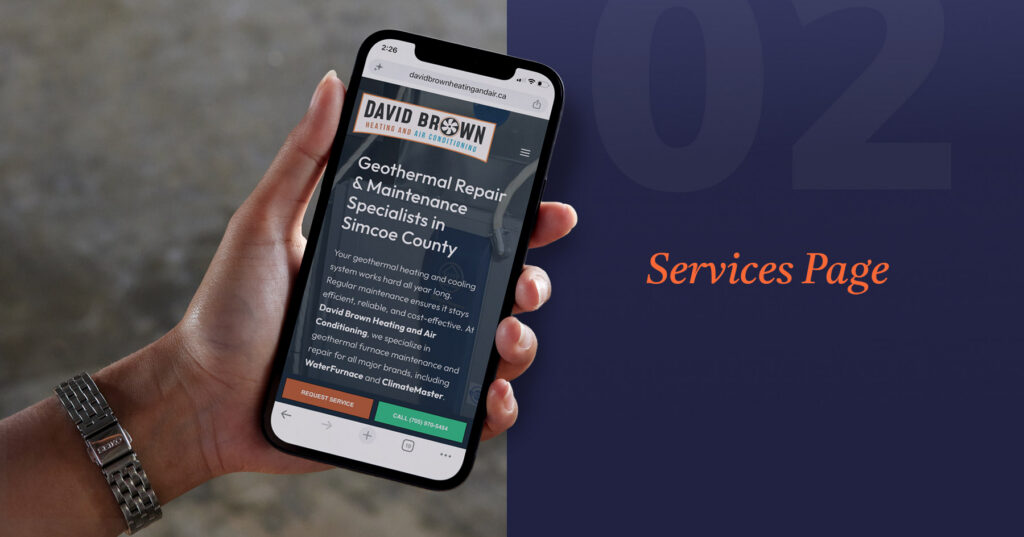
2. Services Pages, The Pages That Help Customers Say “Yes”
If your business offers multiple services, each major service should usually have its own page.
This is one of the most overlooked opportunities within the website pages every service business needs.
A separate page for each service helps:
- improve SEO
- increase clarity
- answer customer questions
- and improve conversions
For example, a contractor should not simply have one generic “Services” page.
Instead, they might have separate pages for:
- kitchen renovations
- bathroom renovations
- basement finishing
- custom home projects
A strong service page should explain:
- who the service is for
- common customer problems
- how the process works
- expected outcomes
- pricing information
- and next steps
The businesses that answer these questions clearly tend to build trust faster.
That is why the website pages every service business needs should focus on education as much as marketing.
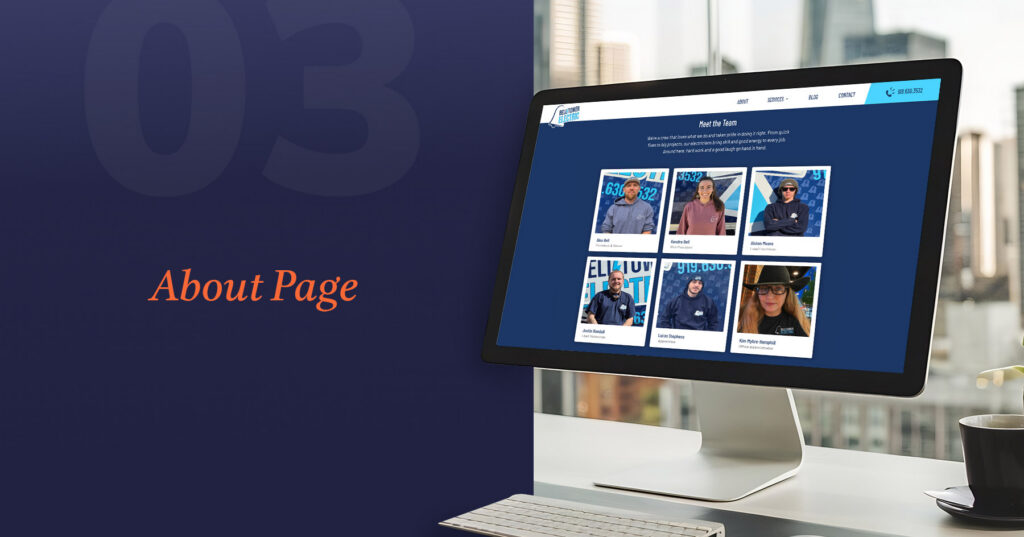
3. About Page, The Page That Helps Customers Trust You
The About page is often the second most commonly visited page on your website.
Why?
Because people want reassurance.
They want to know who they are dealing with and whether the company feels trustworthy.
Unfortunately, many About pages become long corporate biographies filled with information customers do not really care about.
Most visitors are not looking for a complete timeline of your business history.
Instead, they want to understand:
- why your company exists
- who you help
- what makes your approach different
- and what customers can expect from working with you
Good About pages feel human and approachable.
Including team photos, behind-the-scenes images, or a simple founder story can help build connection and trust.
Customers often ask:
- What should an About page say?
- Do people actually read About pages?
- How do I build trust online?
The answer usually comes back to authenticity and clarity.
The website pages every service business needs should help your company feel more approachable and easier to trust.
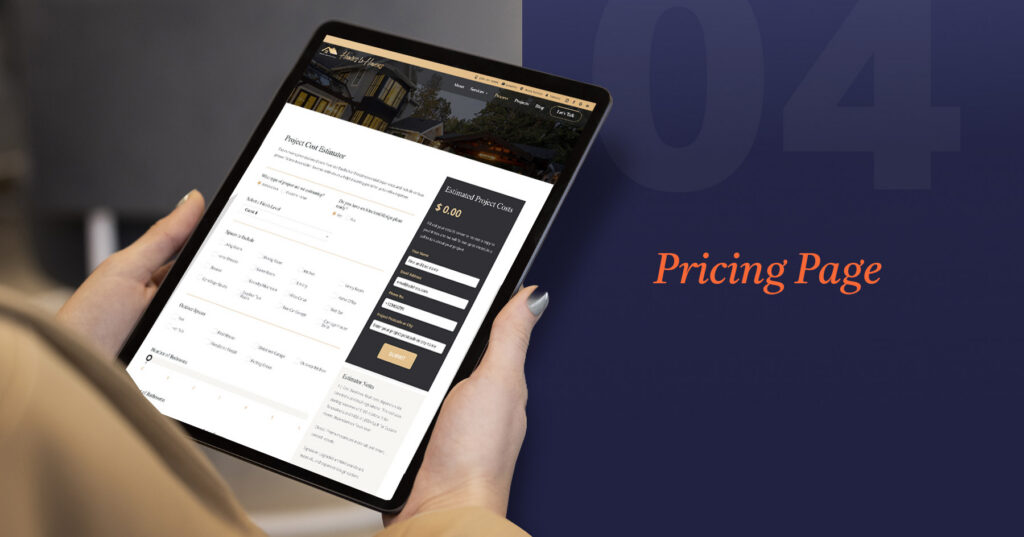
4. Pricing Page, The Page Customers Look For Before They Contact You
One of the biggest shifts in customer behaviour over the last few years is the demand for pricing information.
People want to understand price ranges before they contact a business.
Even if they know the final price depends on the project, they still want some idea of what to expect.
When pricing is completely hidden, customers often assume:
- the service is too expensive
- they will face a high-pressure sales call
- or the business is not transparent
This doesn’t mean every business needs to list exact pricing online.
But most companies can still provide helpful guidance.
For example:
- “Projects typically range from…”
- “Packages start at…”
- “Pricing depends on these factors…”
- “Use our estimator tool for a ballpark quote…”
Pricing estimator tools are becoming more common because customers want information before committing to a conversation.
Business owners often ask:
- Should businesses put pricing on their website?
- What if pricing changes by project?
- Why do customers want prices before contacting a company?
The reality is simple.
Customers already search for pricing information whether businesses provide it or not.
That is why the website pages every service business needs should include some level of pricing transparency whenever possible.
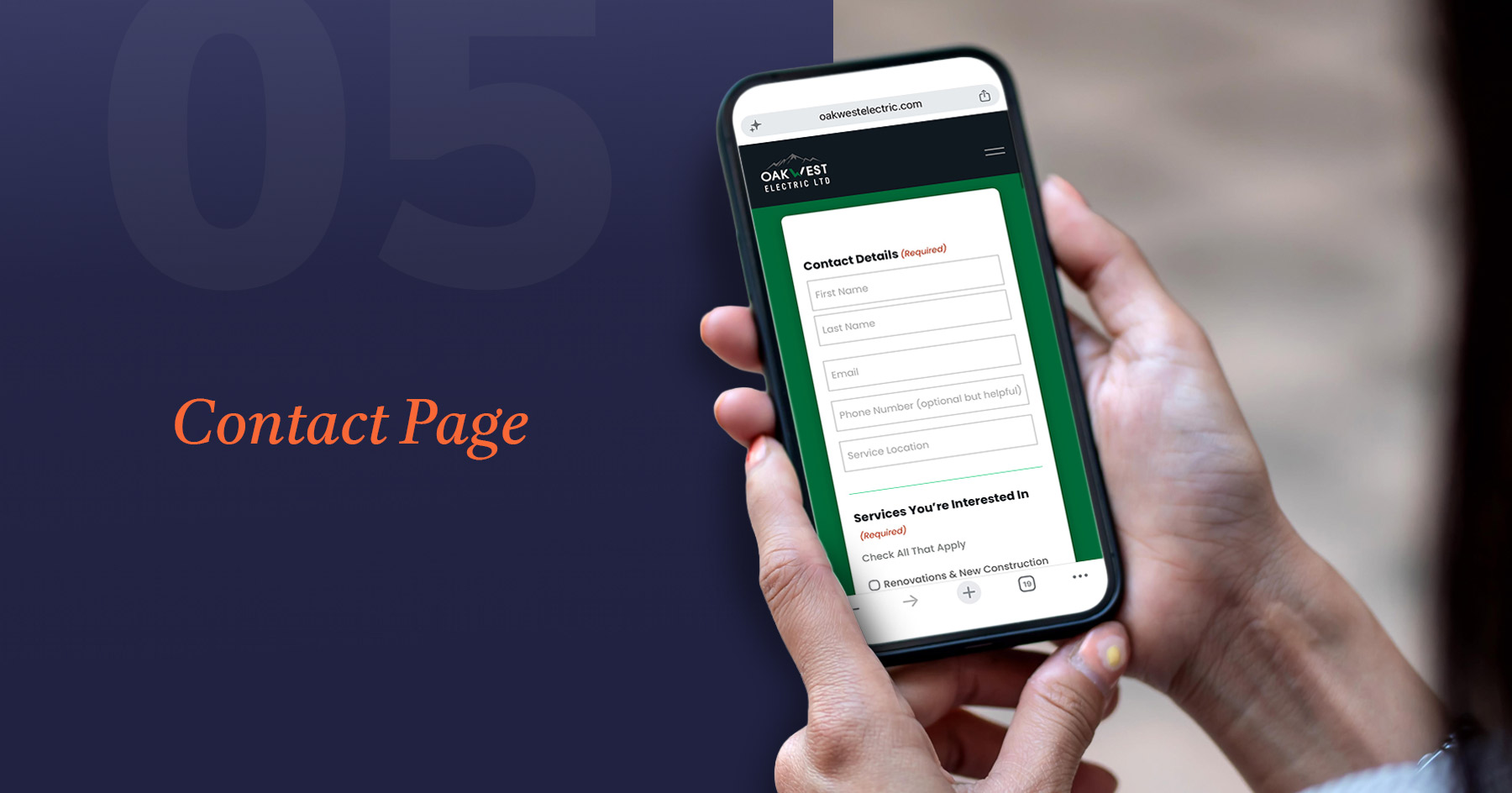
5. Contact Page, One of the Final Website Pages Every Service Business Needs
Many businesses accidentally make it harder than necessary for people to contact them.
Your contact page should remove friction, not create it.
A good contact page usually includes:
- a short contact form
- phone number
- email address
- service area
- business hours
- and response expectations
If someone submits a form, they should know what happens next.
Will someone call them?
Will they receive an email?
How quickly should they expect a response?
Long forms can discourage potential leads, especially on mobile devices.
Simple usually performs better.
Customers often ask:
- What should a contact page include?
- Why are website contact forms important?
- How do I make it easier for customers to contact my business?
The easier it is to contact your business, the more likely people are to reach out.
That is another reason the website pages every service business needs should focus on reducing confusion and improving the customer experience.

Small Changes Can Make a Big Difference Online
A successful small business website doesn’t need to be complicated when the website pages every service business needs are working together properly.
It simply needs to answer customer questions clearly and guide visitors toward the next step.
The website pages every service business needs help create trust, improve clarity, and make it easier for customers to choose your business over competitors.
If your website is missing key pages, has confusing messaging, or is not generating the leads you expected, it may be time for a fresh perspective. If your current website isn’t bringing in the leads you hoped for, or you are unsure what to improve, schedule a Virtual Coffee appointment. We’re here to help your website turn more visitors into real leads for your service business.
Let’s Talk About Your Website

We are proud to partner with:



Pull up a chair and have a virtual coffee with Jonathan!
Follow up on a current project, talk about a new digital marketing idea, or just get some good ole’ fashioned business advice.