




Lead Generation Is Changing (Again)
If it feels like lead generation keeps shifting every year, you’re not wrong.
In 2026, digital marketing strategies for lead generation will look very different than they did even a few years ago. Social media reach is less predictable, paid ads cost more, and buyers are doing more research before they ever reach out.
What’s changing most is not the tools, but the expectations. People want clarity. They want trust. They want to feel confident before they contact a business.
So what does powerful really mean now?
It does not mean doing everything. It means using the right strategies, in the right order, with a clear purpose. Powerful lead generation helps the right people find you, understand you, and feel ready to take the next step, whether you sell services, products, or a mix of both.
What Has Stopped Working for Lead Generation
Before we talk about what works, it is important to be honest about what no longer does. Many of the tactics businesses relied on just a few years ago are losing effectiveness fast, and continuing to use them can quietly stall growth.
Right now, we see many businesses investing time and money into marketing that looks active on the surface but does not generate meaningful leads. Common examples include:
- Posting constantly on social media without a clear goal
- Generic lead magnets that attract the wrong audience
- Automation that feels cold, confusing, or disconnected
- Adding more tools instead of fixing the strategy underneath
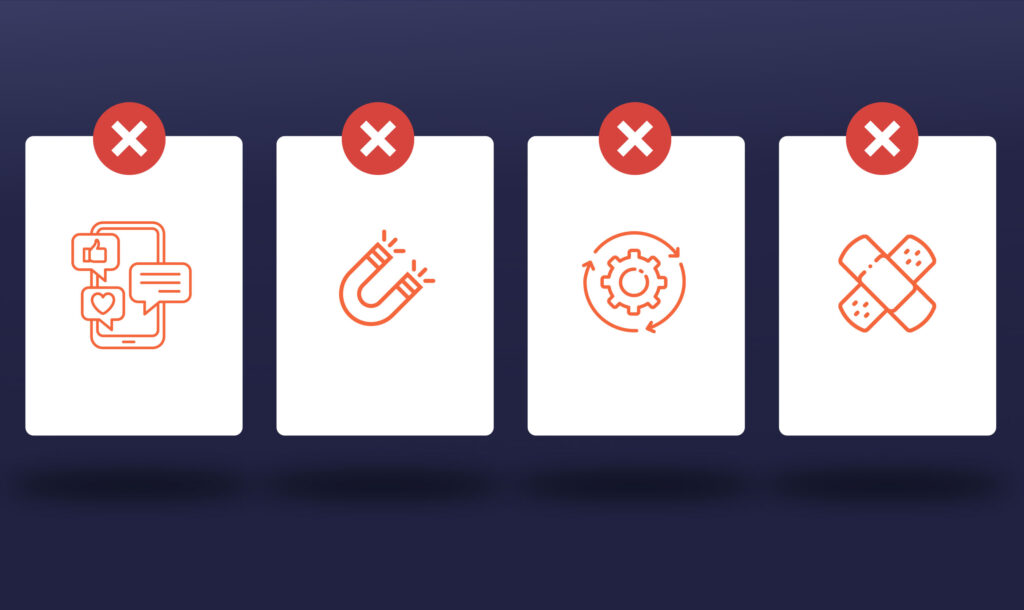
The risk is not just wasted effort. These approaches can train potential customers to ignore your messaging altogether. In a crowded digital space, unclear or unfocused marketing gets filtered out quickly.
These tactics often create motion, but not momentum. In 2026, strong lead generation depends on clarity, focus, and intention, not volume or noise.
Website-First Lead Generation
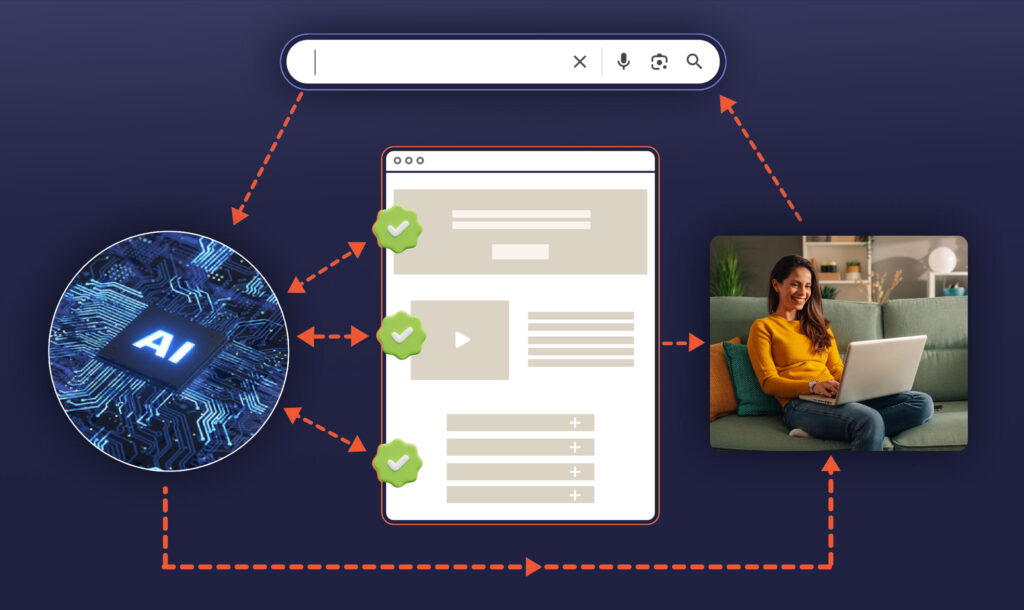
Your website is still the most important piece of your digital marketing strategies for lead generation, and its role has only grown stronger with the rise of AI-powered search.
In 2026, your website is no longer just a digital brochure. It is the primary source AI tools, search engines, and platforms use to understand who you are, what you offer, and who you are best suited to help.
If your website messaging is unclear or outdated, AI search systems will struggle to position your business accurately, which directly affects your visibility and the quality of leads you attract.
Your website acts as the foundation that supports everything else, including search results, AI summaries, paid ads, email marketing, and referrals.
When all of these channels point back to a clear, well-structured website, your digital presence becomes easier to find, easier to trust, and easier to act on.
A website built for lead generation focuses on:
- Clear messaging about who you help and how
- Simple paths for visitors to take action
- Content that answers common questions and buying concerns
- Structure that builds trust rather than creating distractions
A visually appealing website that does not convert visitors into leads is not doing its job. Design still matters, but in today’s digital landscape, clarity and structure matter more than ever.
Content That Answers Real Buying Questions
One of the most effective digital marketing strategies for lead generation is content that helps people make decisions.
Buyers are searching for answers long before they fill out a form. They want to understand:
- If you solve their problem
- How your approach compares to others
- What working with you is really like
This is where educational content matters. Blog posts, videos, and comparison pages that explain, not sell, build trust faster than promotional content ever could.
When your content answers real questions, leads arrive warmer and more prepared.
AI-Supported, Human-Led Marketing
AI is now part of nearly all digital marketing strategies for lead generation, but simply using AI tools does not guarantee better results.
While AI can support marketing teams, it is not a plug-and-play solution for most small businesses. We increasingly see businesses attempting to run AI-driven marketing on their own, without the experience needed to guide it.
AI can sound confident while being inaccurate, make assumptions, or pull from unverified or outdated information. These issues, often called AI hallucinations, can quietly lead to poor messaging, missed opportunities, and wasted time and budget.
Used correctly, AI can be powerful. It can help with:
- Drafting content faster
- Analysing data and performance
- Improving consistency across channels
The key difference is human oversight. Agencies that use AI effectively bring the judgement, strategy, and real-world experience needed to verify outputs, interpret data, and make informed decisions.
The strongest results come when AI handles the repetitive work, while experienced marketers guide the strategy, voice, and direction.
Smarter Use of Paid Digital Advertising
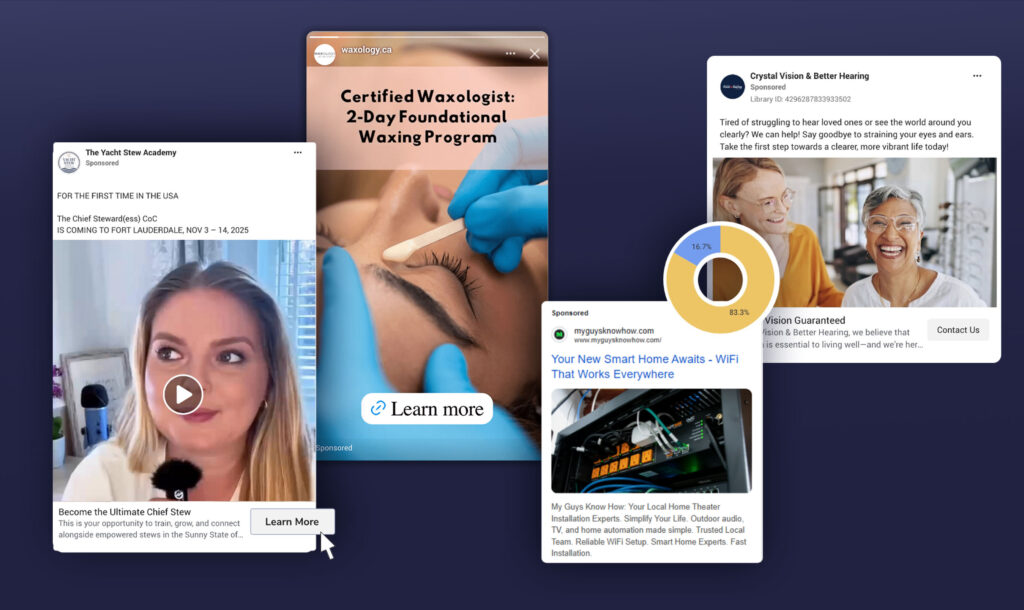
Paid ads are still effective, but only when they support a clear strategy.
In 2026, fewer ads perform better than many unfocused ones. Successful campaigns:
- Target clear intent
- Match ad messaging to landing page content
- Focus on quality leads, not clicks
Paid advertising works best when it amplifies strong messaging, not when it tries to fix weak foundations.
Local and Relationship-Driven Marketing
Not all digital marketing strategies for lead generation rely on algorithms.
Local visibility, reputation, and relationships still play a major role, especially for businesses that rely on trust. This includes:
- Strong local SEO and Google Business Profiles
- Reviews and testimonials that feel genuine
- Email marketing that nurtures, not spams
- Community connections that support referrals
Lead generation works better when people already feel familiar with your brand.
How These Strategies Work Together
The biggest mistake we see is treating marketing tactics as separate projects.
Strong lead generation happens when:
- Your website supports your content
- Your content supports your ads
- Your ads support long-term growth
- Your messaging stays consistent everywhere
When each part is planned in isolation, gaps form and opportunities get missed. Alignment creates momentum, making your marketing easier to manage and more effective over time.
This is exactly where our Ultimate Agency Partnership (UAP) comes in. Instead of one-off projects, we work alongside you to connect strategy, execution, and ongoing optimisation so every piece of your marketing supports the bigger picture.
Choosing the Right Strategies for Your Business
Not every business needs every tactic.
The best digital marketing strategies for lead generation depend on:
- Your business model
- Your sales cycle
- Your internal capacity
- Your growth goals
Many businesses feel pressure to copy what competitors are doing, even when it does not align with how they actually operate. Taking time to evaluate what will truly support your goals leads to better results and less wasted effort.
Sometimes the smartest move is simplifying, not adding more. Clear priorities almost always outperform complex systems.
Lead Generation Built for the Long Term
The most successful digital marketing strategies for lead generation focus on sustainability.
Short-term spikes may feel exciting, but steady, predictable leads build stronger businesses. Long-term success comes from:
- Clear positioning
- Consistent messaging
- Trust built over time
- Systems that can grow with you
Marketing should support your business, not constantly demand more energy.
Lead Generation Built on Clarity and Trust
As we move into 2026, digital marketing strategies for lead generation are less about chasing trends and more about building trust.
When your marketing is clear, aligned, and human, lead generation becomes easier and more predictable.
If you’re not sure which strategies make sense for your business right now, that’s where a thoughtful conversation helps. At WMSH, we focus on strategy first, so every tactic has a purpose and a path forward.
Schedule a Virtual Coffee

We are proud to partner with:



Pull up a chair and have a virtual coffee with Jonathan!
Follow up on a current project, talk about a new digital marketing idea, or just get some good ole’ fashioned business advice.