



SEO Has Changed, But the Goal Has Stayed the Same
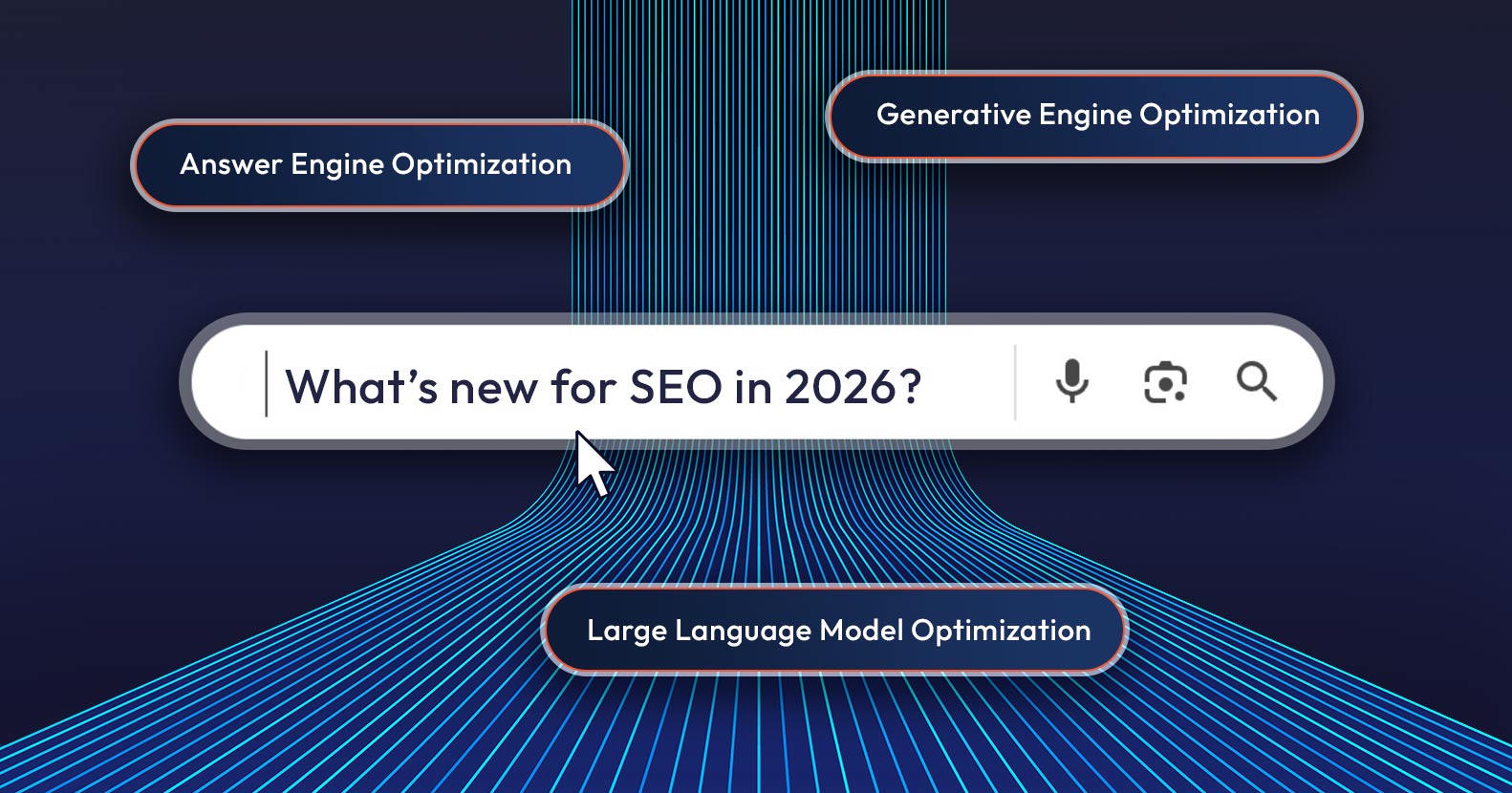
If you feel like SEO gets more confusing every year, you’re not imagining things. Just when you start to wrap your head around keywords and blog posts, new terms show up. Now it’s AEO, GEO, LLMO, AI search, and a whole new set of acronyms to keep track of.
It can feel like the rules have changed overnight.
Here’s the reassuring truth. The goal of SEO has not changed. People are still searching for answers, services, and businesses they can trust. What has changed is how those answers are delivered.
In SEO in 2026, search is not just about ranking on Google. It’s about being the business that search engines and AI tools choose when they generate answers. That might sound intimidating, but it doesn’t have to be.
Let’s break it down in a way that actually makes sense.
So, what’s new for SEO in 2026?
Search engines and AI tools are no longer just pointing people to information. They are actively choosing which businesses and sources to use when answering questions. That means SEO is less about chasing rankings and more about being clear, helpful, and trusted enough to become the answer.
What SEO Is Really About (And Always Has Been)
At its simplest, SEO helps the right people find your business at the right time.
For a long time, SEO focused on keywords, rankings, and traffic. If your website showed up near the top of search results, you were doing something right. That still matters, but it’s no longer the whole picture.
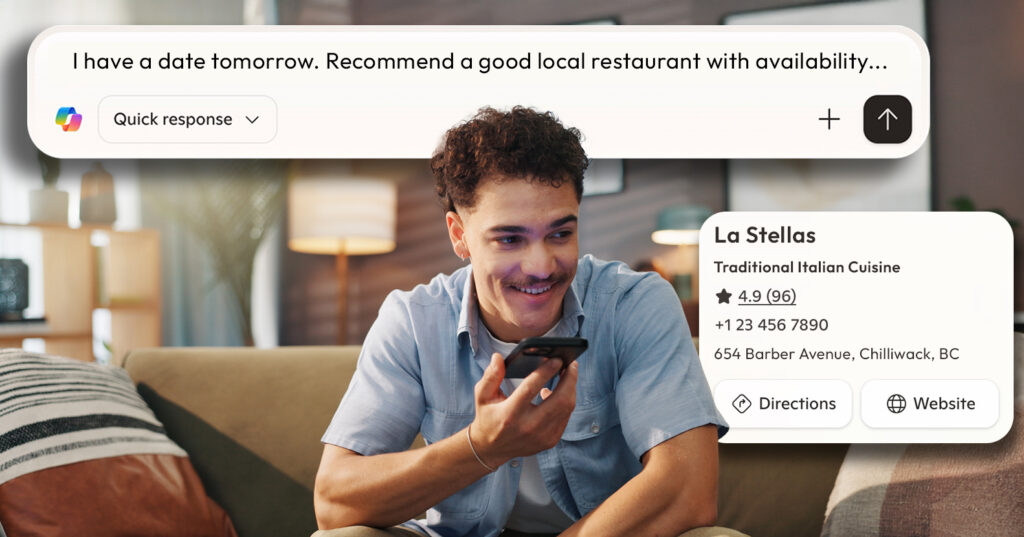
Today people search differently. They ask full questions. They use voice search. They turn to AI tools for quick answers instead of scrolling through pages of links.
SEO in 2026 is about showing up across all of those moments. It’s about making sure your business is easy to understand, easy to trust, and easy for search tools to reference when someone is looking for help.
That shift is what led to new terms like AEO, GEO, and LLMO. They sound technical, but the ideas behind them are very practical.
Why Search Looks Different Than It Used To
Search engines don’t just point people to information anymore. They often answer the question for them.
You’ve probably noticed AI summaries at the top of Google results. Or maybe you’ve asked a voice assistant a question and gotten a clear, spoken response. Tools like ChatGPT and similar platforms are also becoming part of how people research and make decisions.
These tools pull information from many sources, then decide which ones are clear, helpful, and trustworthy enough to use. That means your content needs to do more than exist. It needs to be easy to understand and easy to reuse.
This doesn’t mean traditional SEO is dead. It means SEO in 2026 places more value on clarity, structure, and trust than ever before. That’s where AEO, GEO, and LLMO come into play.
AEO, GEO, and LLMO Explained Without the Jargon
Let’s keep this simple.

AEO: Answer Engine Optimization
AEO is about answering questions clearly. Think about the questions your customers ask all the time. How much does it cost? How long does it take? What option is best for me? Content that answers those questions directly is easier for search engines and AI tools to use.
In SEO in 2026, short, clear answers matter. Well-written FAQs, clear headings, and straightforward explanations help your content stand out as a reliable source.

GEO: Generative Engine Optimization
GEO is about going a step deeper. AI tools don’t just want quick answers. They also need context to understand a topic properly. That’s where guides, blog posts, and educational content come in.
Strong GEO content shows that you understand your industry and can explain it clearly. It helps AI tools feel confident using your content when they generate summaries or recommendations.

LLMO: Large Language Model Optimization
LLMO focuses on how your business is described. AI tools learn from patterns. If your messaging is inconsistent or unclear, they may misunderstand what you do or who you serve.
SEO in 2026 includes making sure your services, expertise, and positioning are consistent across your website. That way, when AI tools reference your business, they get it right.
The big takeaway is this: these ideas don’t replace SEO; they describe how modern SEO works.
How It All Fits Together
Think of modern SEO as a system, not a checklist.
AEO helps with clarity. GEO builds trust and depth. LLMO keeps your messaging consistent. When all three work together, your content becomes easier to find, easier to understand, and easier to reference.
In SEO in 2026, strong content usually follows a similar pattern. It answers questions clearly at the top of the page, then provides more detail for people who want it. It uses the same language to describe your services across your site.
This approach supports traditional search, AI-generated answers, and everything in between. It also creates a better experience for real people, which has always been the point.

What This Means for Small Businesses
If this still sounds like a lot, take a breath. You don’t need a massive budget or a technical background to succeed.
SEO in 2026 rewards focus. Small businesses that do well tend to do a few things consistently. They answer real customer questions. They explain their services clearly. They focus on what matters most instead of trying to cover everything.
You don’t need dozens of blog posts every month. You need the right content, written clearly, and connected in a way that makes sense.
Being helpful goes a long way.
Why AI Tools Alone Can’t Do This For You
It’s tempting to think AI tools can handle SEO on their own. They are powerful, and they can save time, but they aren’t a strategy.
AI doesn’t understand your business goals. It doesn’t know which services drive revenue or which leads are worth prioritising. It also can’t see your real performance data, like what’s ranking, what’s converting, or where people are dropping off.
AI also struggles with intent. Understanding whether someone is researching, comparing options, or ready to buy requires experience and context.
SEO in 2026 is about building a system that supports growth over time. AI works best when it’s guided by someone who understands your business and your audience.

A Simple, Practical SEO Approach for 2026
Good SEO doesn’t need to be complicated.
Start with the questions your customers already ask. Focus on your core services. Create content that answers clearly, explains thoroughly, and uses consistent language.
Choose quality over quantity. One strong page that performs well is more valuable than ten pages that don’t.
SEO in 2026 works best when strategy leads and tools support the plan, not the other way around.

SEO Isn’t Dead, It’s Just Smarter
AEO, GEO, and LLMO may be new terms, but the idea behind them is familiar. Be clear. Be helpful. Be consistent.
SEO in 2026 is not about chasing trends. It’s about making sure your business is easy to find and easy to trust, wherever and however people search.
If you’d like to talk through what this means for your business, we’d love to invite you to schedule a Virtual Coffee. It’s a relaxed, no-pressure conversation where we can answer your questions and explore what a smart SEO strategy could look like for you.
Sometimes the best next step is just a good conversation.
Schedule a Virtual Coffee

We are proud to partner with:



Pull up a chair and have a virtual coffee with Jonathan!
Follow up on a current project, talk about a new digital marketing idea, or just get some good ole’ fashioned business advice.
 BOOK A COFFEE