




Instagram’s Algorithm Changed Again: What Small Businesses Need to Know in 2026
If your Instagram reach suddenly dropped, your engagement feels inconsistent, or your posts are no longer getting seen the way they used to, you’re not imagining things.
Instagram’s algorithm changed.
Again.
For many small business owners, this feels frustrating and exhausting. Just when you finally figure out what seems to work, the platform shifts direction. Suddenly, your carefully planned content strategy feels outdated.
But here’s the good news.
While Instagram’s algorithm changed, it doesn’t mean small businesses lost their opportunity to grow. It simply means the rules for visibility evolved.
Businesses that adapt to how people now search, consume content, and make buying decisions can still build strong organic reach on Instagram.
Let’s break down what changed, why it matters, and how your business can adjust without feeling like you need to chase every trend.
What Just Changed With Instagram’s Algorithm?
One of the biggest reasons business owners feel confused is that Instagram no longer behaves the way it did even a few years ago.
Instagram’s algorithm changed from primarily showing content based on who you follow to showing content based on what people are most likely to engage with.
That means Instagram is paying closer attention to:
- Watch time
- Saves
- Shares
- Comments
- Direct messages
- Content relevance
- Search behaviour
- Original content
So, follower count matters less than it used to.
A small business with a helpful, engaging Reel can now outperform a much larger account if the content keeps people watching and interacting.
Instagram is becoming more like a recommendation engine and a search platform combined.
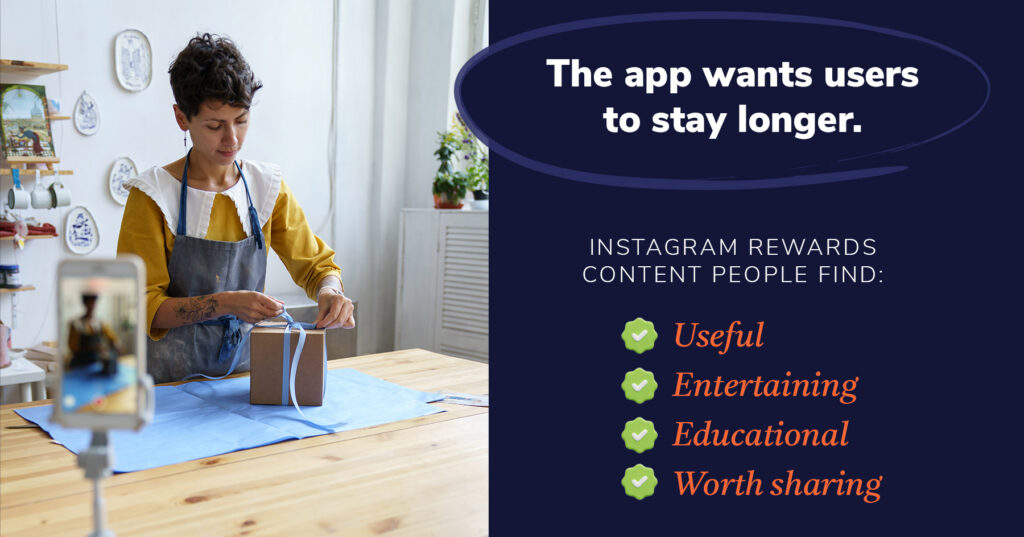
The app wants users to stay longer. To make that happen, Instagram rewards content people find useful, entertaining, educational, or worth sharing.
That’s a major shift.
Because Instagram’s algorithm changed, businesses can no longer rely on posting polished graphics with generic captions and expecting strong results.
Why Small Businesses Feel Like Instagram Is Broken
Many business owners built their social media strategy around old habits.
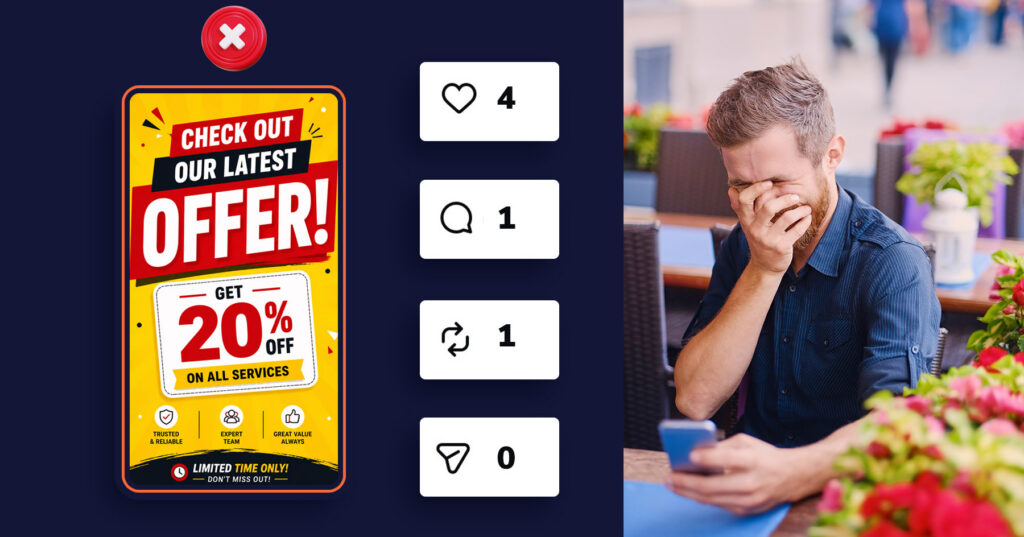
Post a promotional graphic.
Add a few hashtags.
Tell people to “check out our latest offer.”
Hope people engage.
That approach worked better years ago because Instagram showed more content directly to followers in chronological or semi-chronological order.
Now, Instagram’s algorithm changed how content is distributed.
Your followers may not automatically see your posts anymore.
Instead, Instagram is testing content with smaller groups first. If users engage positively, the platform pushes it to more people.
This is why some businesses experience dramatic swings in reach.
The platform evolved faster than most businesses adapted.
That may sound discouraging, but it actually creates an opportunity.
Businesses willing to shift from self-promotional content to educational and helpful content often see stronger long-term growth.
What Instagram Wants Businesses to Create Now
If you want better visibility in 2026, the question is no longer:
“What do we want to post?”
The better question is:
“What does our audience actually want to learn?”
Because Instagram’s algorithm changed, the platform now rewards content that keeps people engaged and informed.
Here are the types of content performing especially well right now.
1. Helpful Educational Content
Educational content is one of the most powerful ways to build trust online.
That doesn’t mean every post needs to feel like a classroom lecture.
Simple, practical content works best.
Examples include:
- Frequently asked questions
- Common misconceptions
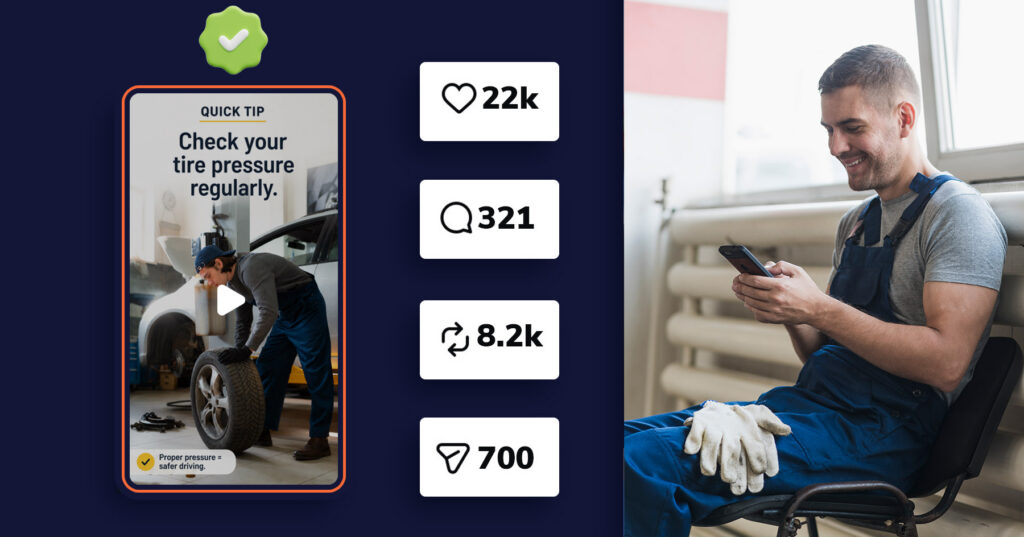
- Quick tips
- Tutorials
- Mistakes people make
- Industry insights
- Behind-the-scenes explanations
This type of content works because it answers real questions people are already searching for online.
It also positions your business as knowledgeable and trustworthy.
2. Original Video Content
Short-form video continues to dominate Instagram.
But polished production quality matters less than authenticity.
What matters most is whether your content is useful, clear, relatable, or interesting.
Instagram’s algorithm changed to favour content that keeps people watching longer.
A simple talking-head video explaining a common customer problem can outperform a highly designed promotional ad.
3. Searchable Content
Instagram is becoming increasingly search-driven.
Users now search directly on Instagram for:
- Businesses
- Services
- Tutorials
- Product recommendations
- Local companies
- Industry advice
That means your captions, profile, on-screen text, and spoken words in videos all matter.
Because Instagram’s algorithm changed, businesses need to think more strategically about keywords and natural language.
For example, instead of a vague caption like:
“Big things coming soon 👀”
You might write:
“3 common website mistakes small businesses make and how to fix them.”
Clear language helps both users and the platform understand what your content is about.
The Biggest Mistake Businesses Still Make on Instagram
The biggest mistake most businesses make is creating content centred around themselves instead of their customers.
People do not open Instagram hoping to see endless promotional posts.
They open it looking for:
- Ideas
- Solutions
- Education
- Entertainment
- Inspiration
- Answers
Yet many businesses still post content like:
- “We’re excited to announce…”
- “Check out our latest sale!”
- “Buy now before it’s gone!”
Promotional content has its place.
But if every post focuses on the business instead of the customer, engagement usually drops.
That’s especially true now that Instagram’s algorithm changed to prioritize meaningful engagement.
The businesses seeing the strongest growth are the ones consistently answering customer questions.
When businesses openly teach, educate, and help people make informed decisions, they build trust faster.
Trust leads to visibility.
Visibility leads to leads and sales.
Instead of constantly asking: “How do we beat the algorithm?”
A better question is: “How do we become the most helpful business in our industry?”
How Small Businesses Should Adapt in 2026
The good news is that you don’t need to completely reinvent your marketing strategy.
You just need to adjust your approach.
Because Instagram’s algorithm changed, small businesses should focus on consistency, clarity, and usefulness.
Here are five ways to adapt your Instagram strategy:

1. Teach More Than You Sell
Educational content builds long-term trust.
If your content helps people solve problems or understand something better, Instagram is more likely to reward it.
The businesses winning right now are often the ones generously sharing knowledge.

2. Focus on Consistency Over Perfection
Many businesses delay posting because they want everything to look perfect.
Meanwhile, more consistent competitors continue building visibility.
A helpful video filmed on your phone is often more effective than a perfectly designed graphic that says very little.

3. Create Content Around Real Questions
Think about the questions customers ask repeatedly.
Those questions are content opportunities.
If one customer asks something, others are probably wondering the same thing.
Because Instagram’s algorithm changed, content aligned with user curiosity often performs better.

4. Optimize for Search
Use clear, natural language in your captions.
Say your keywords naturally in videos.
Add text overlays that explain the topic quickly.
Instagram increasingly functions like a search engine, which means clarity matters.

5. Think Beyond Followers
Many businesses obsess over follower count.
But saves, shares, and engagement quality matter more.
A smaller audience that trusts your business is often far more valuable than a large audience that ignores your content.
What This Means for the Future of Marketing
The bigger takeaway isn’t just that Instagram’s algorithm changed.
It’s that digital marketing itself continues shifting toward trust-based content.
People are becoming more selective online.
They’re tired of constant sales messaging.
They want businesses that:
- Educate clearly
- Communicate honestly
- Answer questions directly
- Provide useful information
- Build real credibility
That’s also why blogs, SEO, email marketing, video content, and social media now work best together.
Your Instagram strategy shouldn’t operate in isolation.
A helpful Reel can lead someone to your website.
A strong blog post can support search visibility.
An email newsletter can deepen trust.
Everything works better when the message stays consistent and connected.
Because Instagram’s algorithm changed, businesses that rely entirely on social media hacks will likely struggle.
But businesses focused on education and authority-building are positioned for long-term growth.

Instagram Changed, But Opportunity Still Exists
Yes, Instagram’s algorithm changed.
But this isn’t the end of organic marketing for small businesses.
In many ways, it is the opposite.
The businesses willing to create genuinely helpful, searchable, and customer-focused content now have more opportunities to stand out.
You don’t need to chase every trend.
You don’t need to become an influencer.
You don’t need viral content every week.
You simply need to consistently answer questions, help your audience, and communicate clearly.
That is what modern marketing increasingly rewards.
And honestly, that’s probably a better direction for small businesses anyway.
If your business needs help creating content that builds trust, improves visibility, and supports long-term growth, we’d love to help. Book a Virtual Coffee and let’s talk about practical marketing strategies that actually make sense for your business.
Let’s Talk Strategy

We are proud to partner with:



Pull up a chair and have a virtual coffee with Jonathan!
Follow up on a current project, talk about a new digital marketing idea, or just get some good ole’ fashioned business advice.